


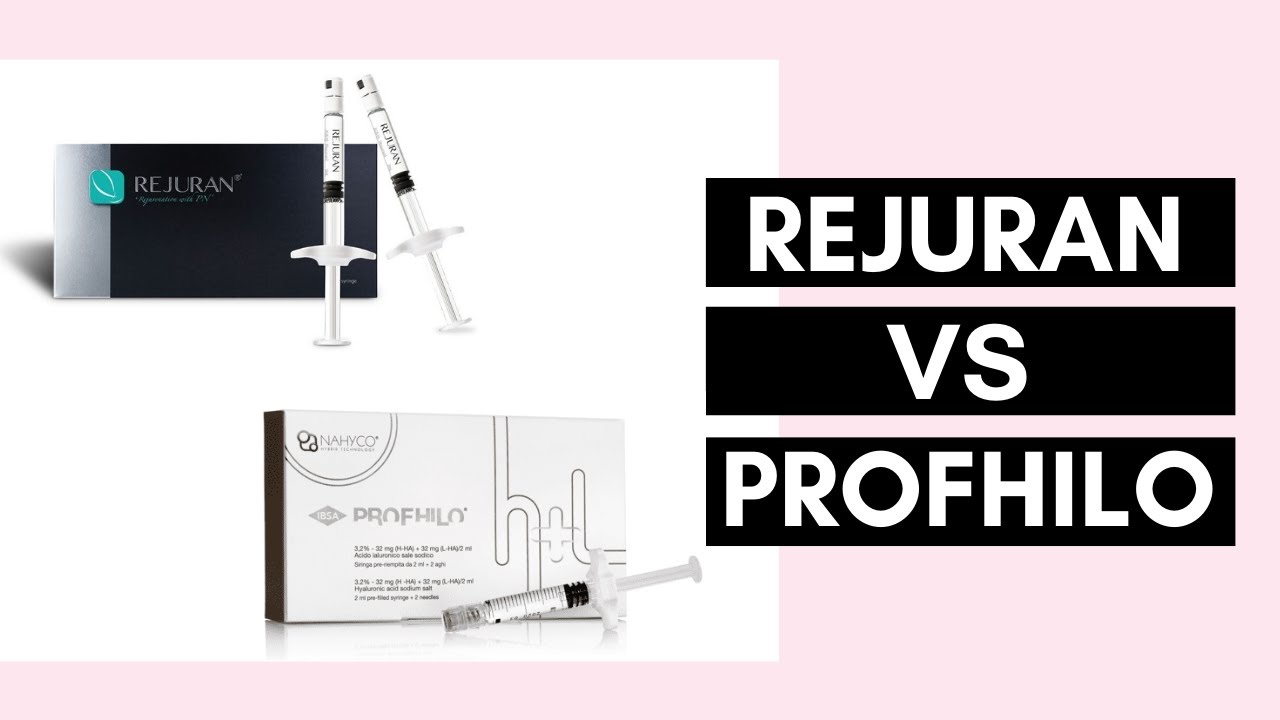
Rejuran vs Profhilo: Which Skin Treatment Delivers the Glow You’re Actually Looking For?
If you’re chasing that elusive “glass skin” — luminous, smooth, refined, and healthy from the inside out — you’ve probably come across Rejuran and Profhilo. These two injectable treatments dominate conversations among skincare enthusiasts in their 20s to 30s focused on pre-juvenation, as well as those in their 40s+ seeking non-surgical ways to tackle laxity and crepey texture.
Both promise better skin quality without the obvious “filler face,” but they work differently. One excels at deep hydration and bio-remodeling. The other focuses on cellular repair and regeneration. Understanding the real differences helps you choose (or combine) wisely for your specific concerns like acne scarring, enlarged pores, chronic redness, or overall loss of firmness.
What Is Profhilo? The Bio-Remodeling Powerhouse
Profhilo is a high-concentration hyaluronic acid (HA) injectable, often described as a “super moisturizer” delivered beneath the skin. Unlike traditional dermal fillers that add volume or sculpt, Profhilo spreads evenly to hydrate multiple layers and stimulate the production of collagen and elastin.
Key benefits include:
- Intense, long-lasting hydration
- Improved skin firmness and elasticity
- A natural, healthy glow with reduced fine lines
- Better tone and texture, especially on the face, neck, and hands
It’s typically administered in two sessions about a month apart using a small number of injection points (the BAP — bio aesthetic points — technique). Results often appear within a couple of weeks and can last 6–12 months, depending on your age, lifestyle, and skin condition. Many people love the quick “bounce” and plumpness it delivers — perfect for that dewy, supple look associated with glass skin.
What Is Rejuran? The Cellular Repair Specialist
Rejuran (often called Rejuran Healer) uses polynucleotides (PN or PDRN) derived from salmon DNA. These fragments are highly biocompatible with human skin and work at a deeper regenerative level. They activate fibroblasts, promote tissue repair, reduce inflammation, and support new collagen formation.
Rejuran shines for:
- Improving skin texture and reducing acne scars or depressed marks
- Refining enlarged pores and smoothing crepey areas
- Calming chronic redness and strengthening the skin barrier
- Long-term skin health and resilience rather than instant plumpness
Treatments usually involve more injection points and a series of 3–4 sessions spaced 2–4 weeks apart. Results build gradually over weeks to months as your skin repairs itself from within, often leading to a more refined, even, and “strong” complexion.
Head-to-Head: Rejuran vs Profhilo
| Aspect | Profhilo | Rejuran |
|---|---|---|
| Main Ingredient | High-concentration Hyaluronic Acid | Polynucleotides (salmon DNA PN/PDRN) |
| Primary Action | Deep hydration + bio-remodeling | Cellular repair + regeneration |
| Best For | Laxity, dullness, loss of firmness | Acne scars, pores, texture, redness |
| Onset of Results | Faster (1–2 weeks) | Gradual (weeks to months) |
| Sessions Needed | Usually 2 | 3–4 initially |
| Downtime | Minimal (mild swelling/bruising) | Bumps/welts possible for 24–72 hours |
| Duration | 6–12 months | 6–12+ months with maintenance |
Both are excellent for “natural-look” minimalists who want cellular-level improvements rather than added volume. Many clinics combine them: Profhilo for overall hydration and lift, Rejuran for targeted repair and refinement.
Who Should Choose What?
- 25–35 pre-juvenation crowd chasing glass skin and smaller pores: Rejuran often edges out for texture and pore refinement, while Profhilo delivers that instant hydrated glow.
- Older skin with laxity and crepey texture: Profhilo’s remodeling effect can provide noticeable firmness and suppleness.
- Acne scarring or chronic redness: Rejuran’s anti-inflammatory and regenerative properties make it the stronger choice.
- Sensitive or reactive skin: Both have good safety profiles, but consult a professional — Rejuran’s DNA-based approach is often praised for calming properties.
Side effects for both are generally mild and temporary: redness, swelling, bruising, or small injection-site bumps. Serious complications are rare when performed by experienced practitioners.
Enhancing Results at Home: Rejuran Serums
While in-clinic injectables deliver the most dramatic effects, topical support matters. Rejuran Serums, powered by c-PDRN technology, offer a gentler way to maintain that repaired, glowing skin between treatments or as part of a daily routine. They focus on turnover, calming, and barrier support without needles.
If you’re exploring authentic options, reputable sources like Buy Rejuran Online carry professional-grade products for those who want to incorporate the science into their at-home regimen.
The Bottom Line: It’s Not Always “Versus”
There isn’t a universal winner in the Rejuran vs Profhilo debate. The best approach depends on your skin’s current state and goals. A good practitioner will assess your face and recommend a personalized plan — sometimes starting with one and layering the other.
Both treatments reflect a shift in aesthetics: moving away from “filling” toward true skin quality and regeneration. Whether you prioritize that juicy hydration glow or deep, resilient repair, you’re investing in healthier skin that looks naturally radiant.
Have you tried either? Or are you still deciding? Drop your main skin concern below — hydration, scars, pores, or laxity — and I’d love to hear where you’re at in your journey. In the meantime, consult a qualified aesthetic professional to see what might work best for your skin. Your future glass skin self will thank you.