


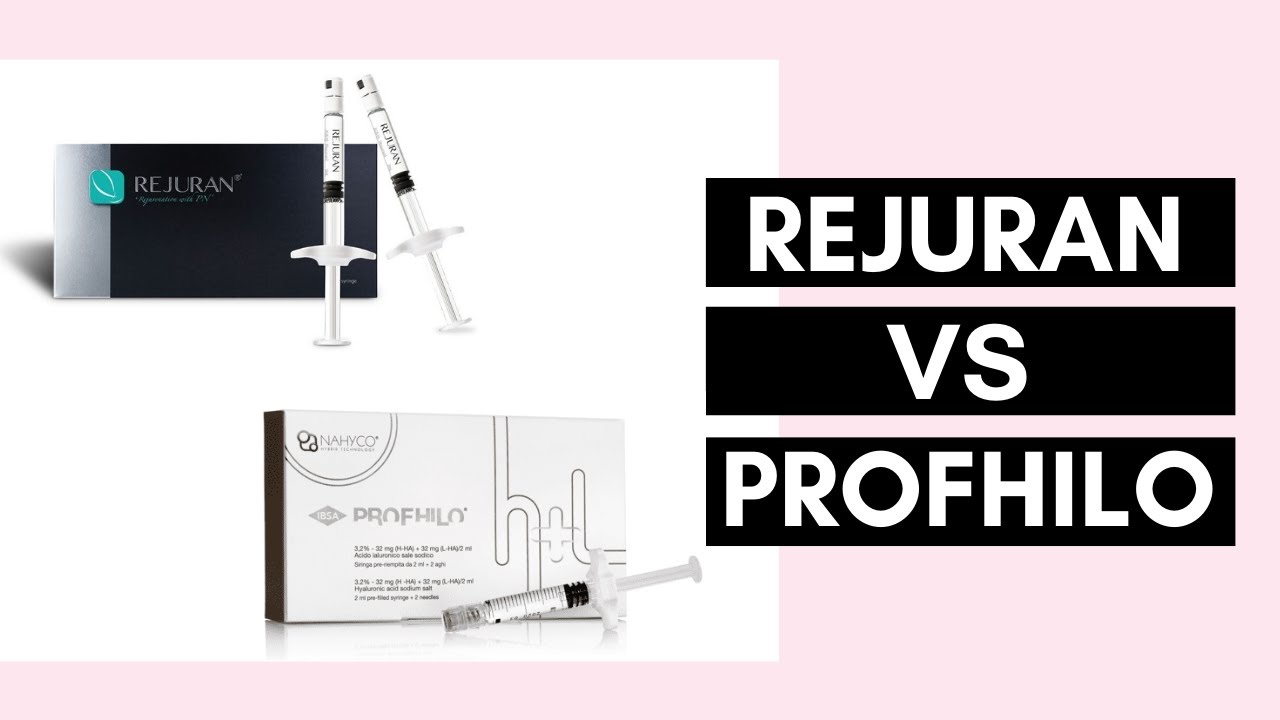
Rejuran and dermal fillers are both popular aesthetic treatments, but they serve very different purposes. Confusing the two can lead to disappointment, so this guide clarifies how Rejuran differs from dermal fillers and when each is appropriate.
What Do Dermal Fillers Do?
Dermal fillers add volume to specific areas, smoothing folds or enhancing features like cheeks and lips. They are about structure and volume rather than overall skin quality.
What Does Rejuran Do?
Rejuran focuses on skin quality, hydration, and conditioning rather than adding volume. To understand the treatment, see what Rejuran is.
Rejuran vs Dermal Fillers
- Goal: Fillers add volume; Rejuran improves skin quality.
- Areas: Fillers target specific zones; Rejuran supports overall skin condition.
- Combination: They can be complementary in a tailored plan.

Which Should You Choose?
If you want to restore volume, fillers may be appropriate; if you want better skin texture and hydration, Rejuran is worth considering. A practitioner can advise on combining them. For background, the FDA overview of dermal fillers is a helpful reference.
Frequently Asked Questions
Can Rejuran and fillers be done together?
Often yes, as part of a coordinated plan designed by a qualified practitioner.
Does Rejuran add volume like fillers?
No. Rejuran focuses on skin quality and hydration rather than adding structural volume.
Final Thoughts
Rejuran and dermal fillers address different goals. Fillers restore volume, while Rejuran improves skin quality. Understanding the difference helps you build the right treatment plan.
This article is for general informational purposes only and is not medical advice; consult a qualified practitioner for guidance specific to your skin.